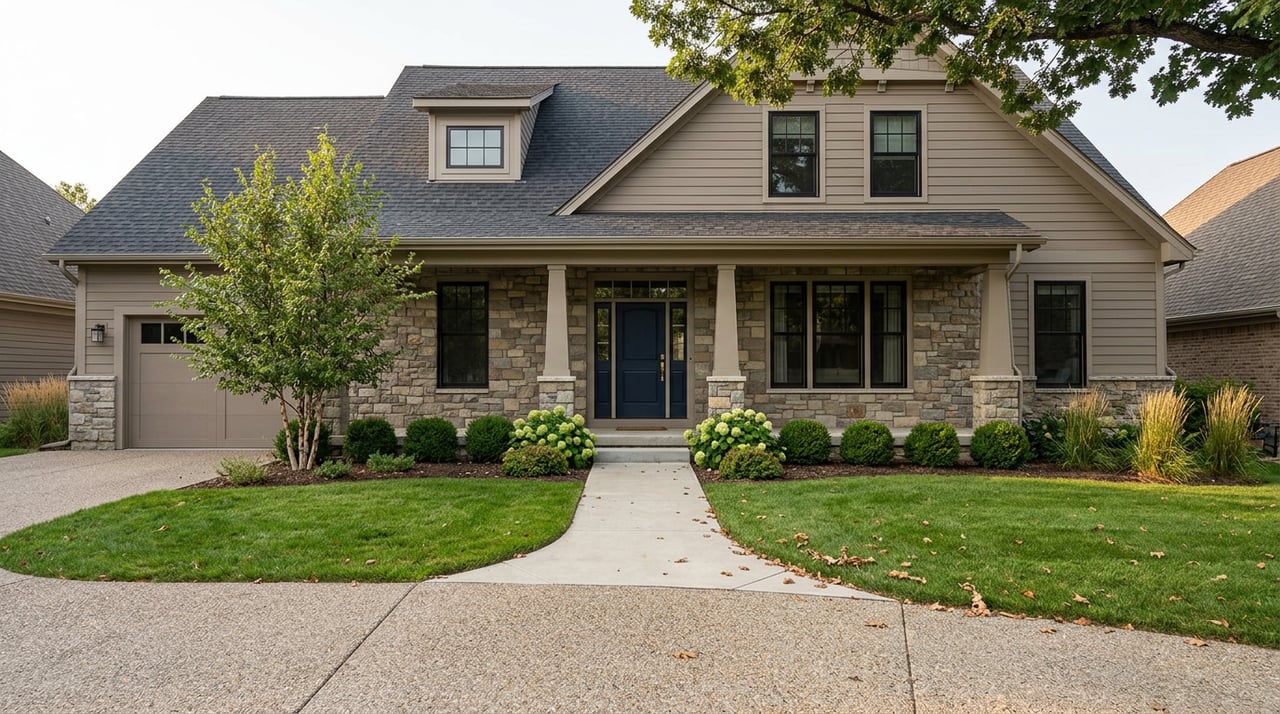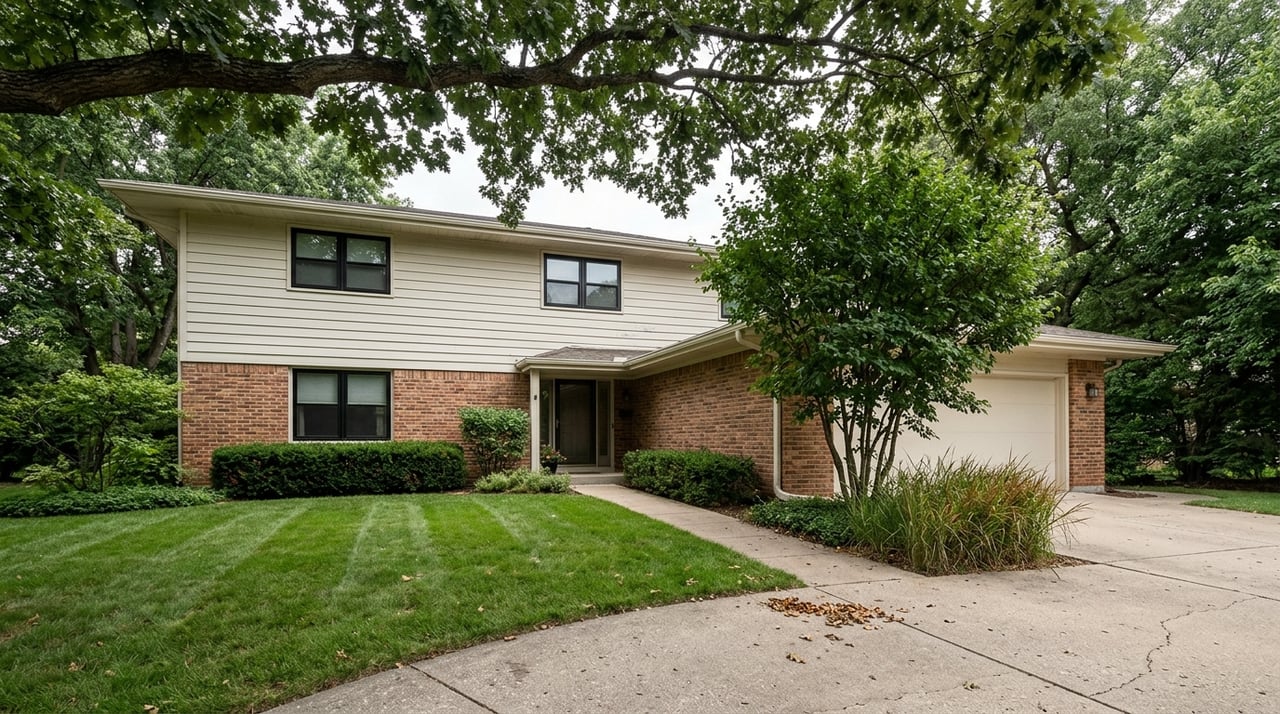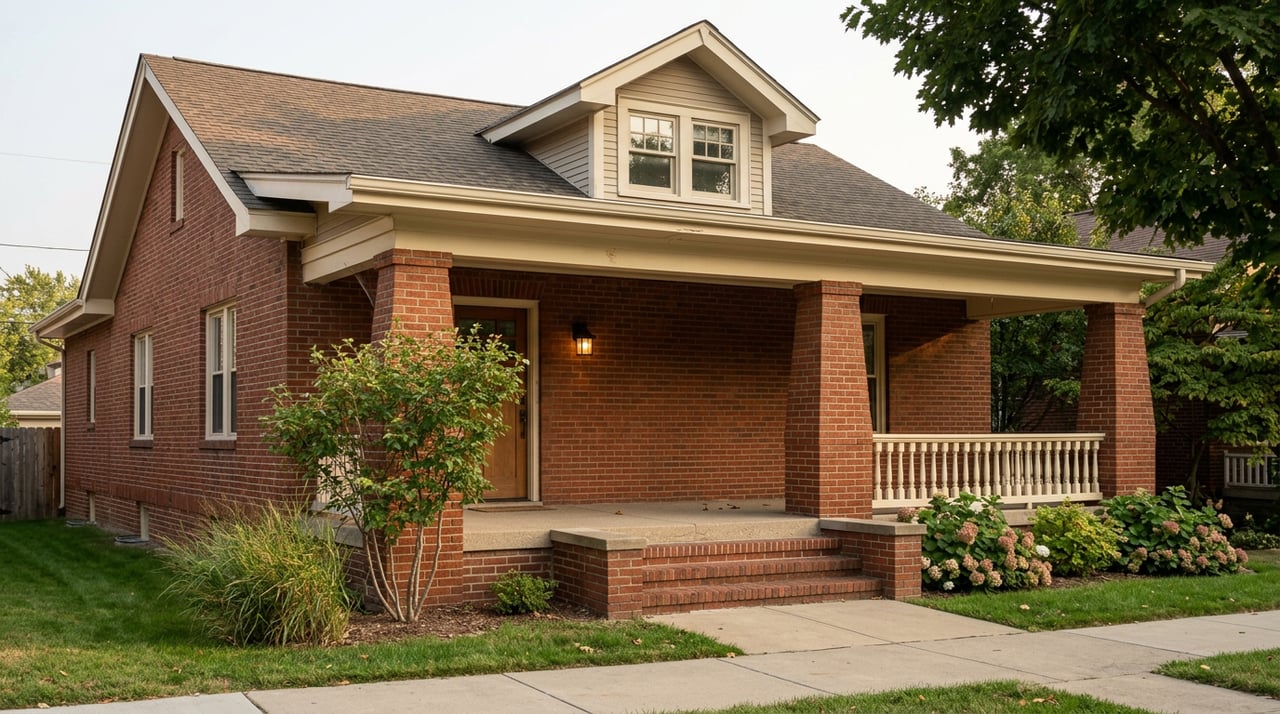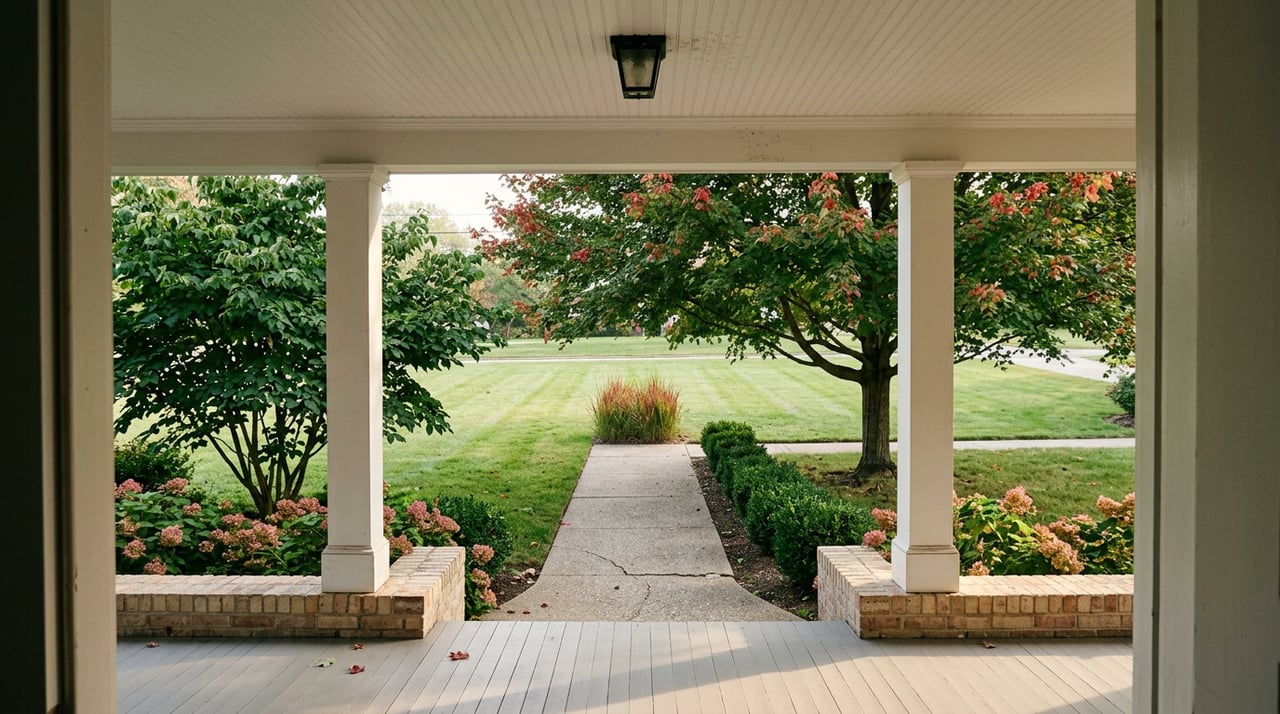
Two ranch homes sold in Ankeny last summer for almost the same money. One sat on the east side of Ankeny Boulevard for close to fifty days. The other sold in nineteen, on a smaller lot, for more per square foot. Same city, same school district, same average sale price within about three thousand dollars. Different market entirely.
If you have been comparing homes across Ankeny, the median price is telling you almost nothing useful. The number that matters lives one layer down, and it explains why buyers keep paying a premium for less house on the west side of town, and why sellers on the east side keep wondering what they are doing wrong.
The number the median hides
A ninety-day analysis of ranch sales through the end of August 2025 by a local Ankeny brokerage put the two ZIP codes side by side. The averages looked nearly identical. Everything else did not.
| Ranch homes, 90 days through Aug. 2025 | 50021 (east) | 50023 (west) |
|---|---|---|
| Sales | 77 | 96 |
| Average sale price | $441,000 | $444,000 |
| Average size | 1,597 sq ft | 1,540 sq ft |
| Median days on market | ~50 | ~19 |
| Price-per-square-foot premium | — | +$13.77/sq ft |
Buyers on the west side paid more per foot for smaller homes, and they closed nearly thirty percent faster doing it. That is not a rounding error. That is a market telling you what it values.
Zoom out and the same story shows up in the current numbers. Redfin's March 2026 read on Ankeny had the citywide median sale price at $351,000, with median price per square foot at $220, down 2.9 percent year over year. In Northeast Ankeny, though, the three-month median through May 2026 came in at $370,000 and $244 per square foot, with the per-foot figure up 11.9 percent year over year. Citywide, price per foot is softening. In the western and newer pockets, it is not.
What the west side is actually charging you for
The premium is not mysterious once you look at what is packed into 50023. Prairie Trail is a 1,031-acre master-planned community built on the former Iowa State Research Farm, approved by the Ankeny City Council in 2006 and developed by DRA Properties, the firm founded by Dennis Albaugh. About twenty percent of that acreage is parks and open space, with thirteen miles of internal trails feeding into Ankeny's larger thirty-four-mile trail system.
That land was designed on New Urbanism principles, which means small lots on purpose. According to the community's Pattern Book, townhouse lots typically run 22 to 30 feet wide by 90 to 100 feet deep. An Architectural Review Board reviews exterior plans against four approved palettes. You are not buying a yard here. You are buying a five-minute walk to The District at Prairie Trail, where a Residence Inn, a Lululemon, YogaSix, Legacy Fitness, Jersey Mike's, Smokey Row Coffee, and independent boutiques like Elin and Purple Poppy have clustered around a walkable retail core.
Layer on the newer schools in this footprint, including Prairie Trail Elementary, Ashland Ridge, Rock Creek, and Prairie Ridge Middle, plus proximity to Cascade Falls Aquatic Center, and the per-square-foot premium starts looking like a rational price for a bundle of features you cannot easily replicate east of the Boulevard. Builders have noticed. D.R. Horton is active in Kimberley Crossing with set floor plans and quick-move-in inventory, and pockets like Timber Valley Estates offer half-acre-plus custom lots for buyers who want new construction with more land, all inside 50023. The Ankeny City Manager has publicly pegged the city's growth rate at roughly 2,000 residents a year, and much of the new-build absorption is happening on this side.
What the east side gives you back
None of this makes 50021 a lesser buy. It makes it a different one.
The east side is older Ankeny. Mature trees, deeper lots, ranches and split-levels from earlier decades, established streets that have already done their settling. The ninety-day ranch data showed 50021 homes averaging about 60 more square feet than 50023 homes at nearly the same price. In a market where citywide price per square foot has actually softened year over year per Redfin, that extra footage is the buyer's leverage, not the seller's.
Hokel Real Estate's March 2026 Ankeny update pegged Southwest Ankeny at a median around $315,000 and trending upward, with a citywide list-to-sold ratio near 99 percent. In other words, correctly priced homes still close near ask on both sides of the Boulevard. What changes is how long you wait for the offer and how much room the buyer has to negotiate. Fifty days on market is not a broken market. It is a market where the buyer gets to sleep on it.
How this changes what you do at the offer stage
Two Ankeny homes at the same price are not the same transaction. Here is where the difference shows up in practice.
- Offer speed. In 50023, a hot listing in Prairie Trail, Ashland Ridge, or Rock Creek is often pending inside three weekends. Pre-approval that includes proof of funds and a clean addendum matters more here than an extra $5,000 on price. In 50021, you often have time to see a home twice and write a considered offer.
- Inspection leverage. On a home that has been sitting near fifty days in 50021, inspection requests land differently than they do on a 19-day west-side sale where the seller has other showings on the calendar. Older east-side housing stock also tends to surface more sewer-line, foundation, and original-window questions worth budgeting for at inspection.
- Appraisal risk. The 50023 per-square-foot premium is real, but appraisers pull comps from a wider ring. Paying $244 per foot in a pocket where surrounding comps are $220 can create a gap the buyer covers in cash. This is a conversation to have before writing the offer, not after.
- Resale horizon. The DMAAR reported a Greater Des Moines median sale price record of $319,000 in June 2026, up from the March 2026 record of $315,000, with July metro inventory around 4.1 months. Under $350,000 is still leaning seller citywide. That tailwind helps both ZIPs, but the velocity gap between them likely persists on the way out too. If you are buying with a five-year horizon, the west-side premium is partly a resale hedge.
How this changes what you do at the list-price stage
Sellers get the mirror image of the same problem.
In 50023, the pricing conversation is usually about which recent comps to lean on and how much room to leave for a quick offer with an escalation clause. Homes in the newer plats can support pricing at the higher end of the per-foot band if condition and finishes back it up.
In 50021, discipline on the first list price matters more than it did two years ago. Redfin's citywide read showed average days on market at 102 in March 2026, up from 75 the prior year. Pricing ten thousand dollars ambitious does not stretch the negotiation. It stretches the timeline, and the second-week price drop is visible to every buyer's agent watching the MLS. Cleaner staging, professional photos, and an accurate first price tend to outperform a price-cut cycle on this side of town, especially on ranches competing with newer single-level product across the Boulevard.
A quick FAQ
Is Prairie Trail worth the smaller lot? That is a lifestyle question with a resale kicker. If you cook at home, entertain outside, and want a dog run, the answer is often no. If you walk to coffee, use trails as your gym, and want faster resale velocity on the back end, the numbers say yes.
Are there parts of 50023 that don't carry the walkability premium? Yes. Newer plats on the far northwest and western edges of the ZIP are new construction and school-driven, but they are not walkable to The District. The buyer is often paying for the new build and the newer schools rather than for the Prairie Trail lifestyle. Comping those homes against Prairie Trail proper is a common pricing mistake.
What about townhomes and condos? The DMAAR discussion at the December 2025 Project515 panel flagged two buyer pools now competing for townhome-condo product: retirees downsizing from larger homes and first-time buyers priced out of single-family. That competition is showing up on both sides of Ankeny, but the walkable townhome inventory in Prairie Trail draws the retiree pool harder, which affects pricing.
How much of this holds if rates move? Most of it. The velocity gap between the two ZIPs is a preference signal, not a rate signal. When rates ease, both sides speed up, but the west-side premium tends to widen because more buyers can afford to prioritize lifestyle features over square footage.
If you are weighing an Ankeny move and want a read on which side of the Boulevard fits your actual life, not just your budget spreadsheet, Dan Rozga is happy to walk through recent comps, current listings, and the pricing strategy that fits your timeline. Let's Connect.