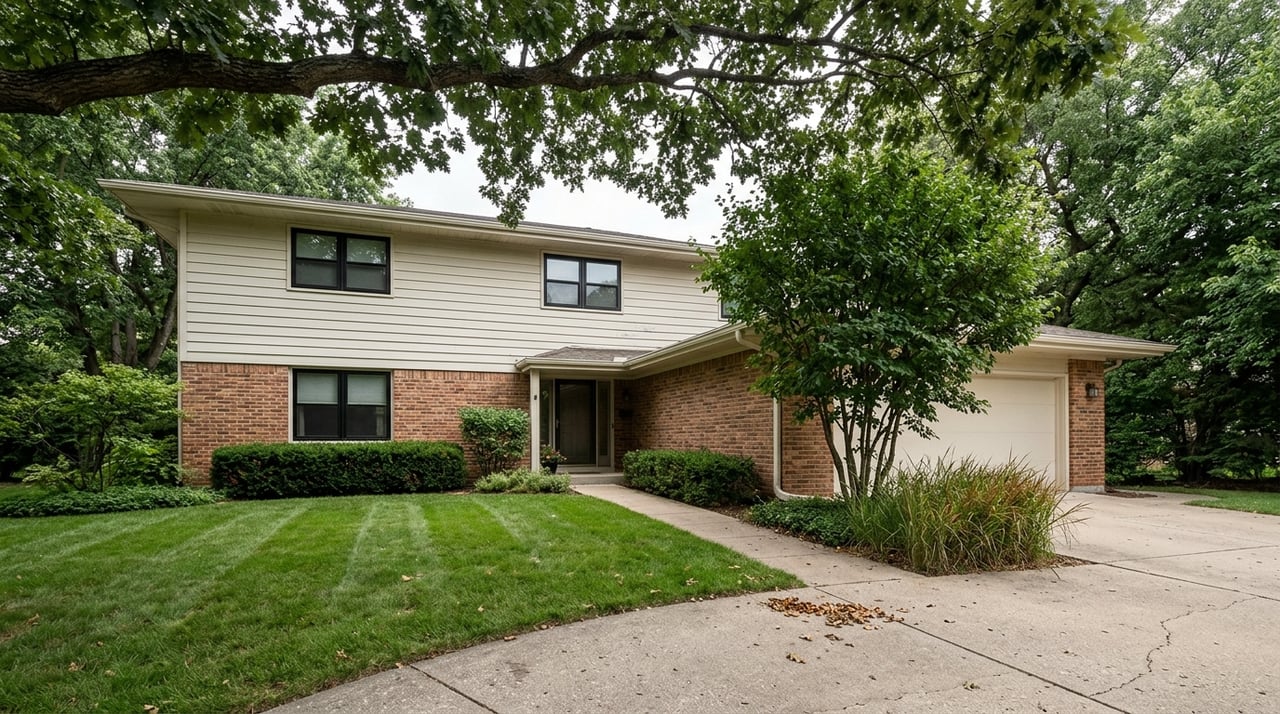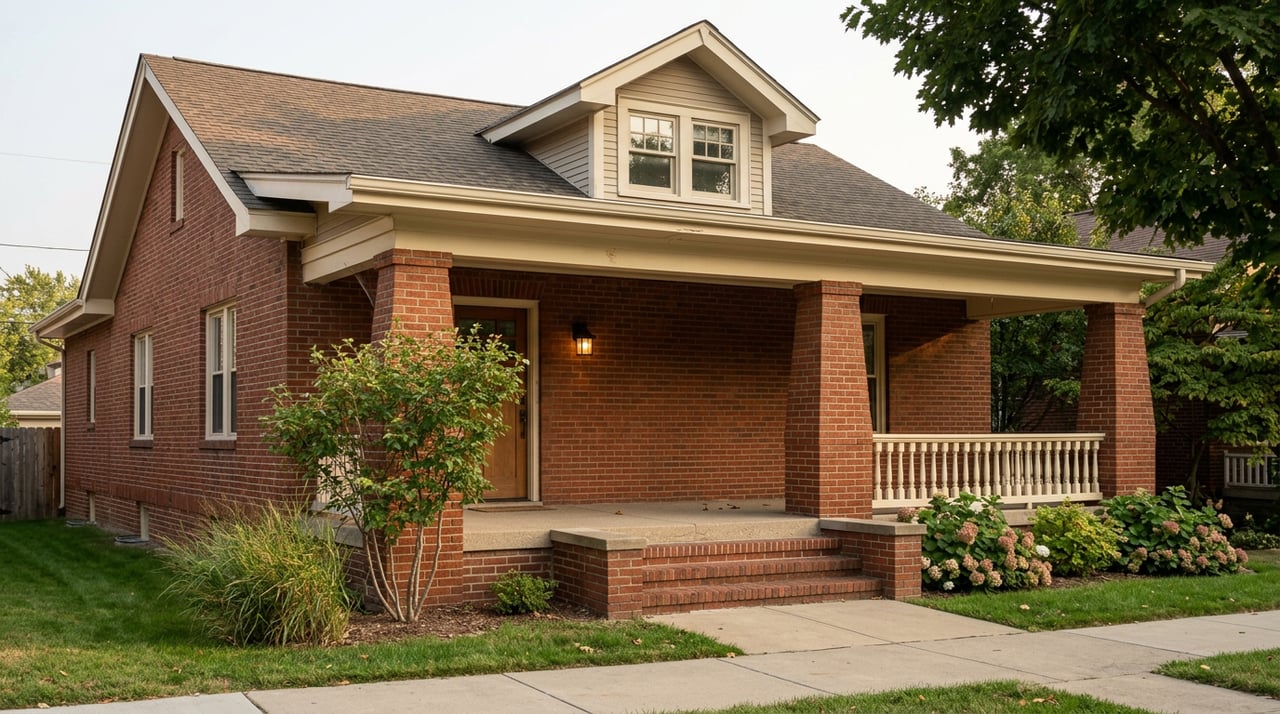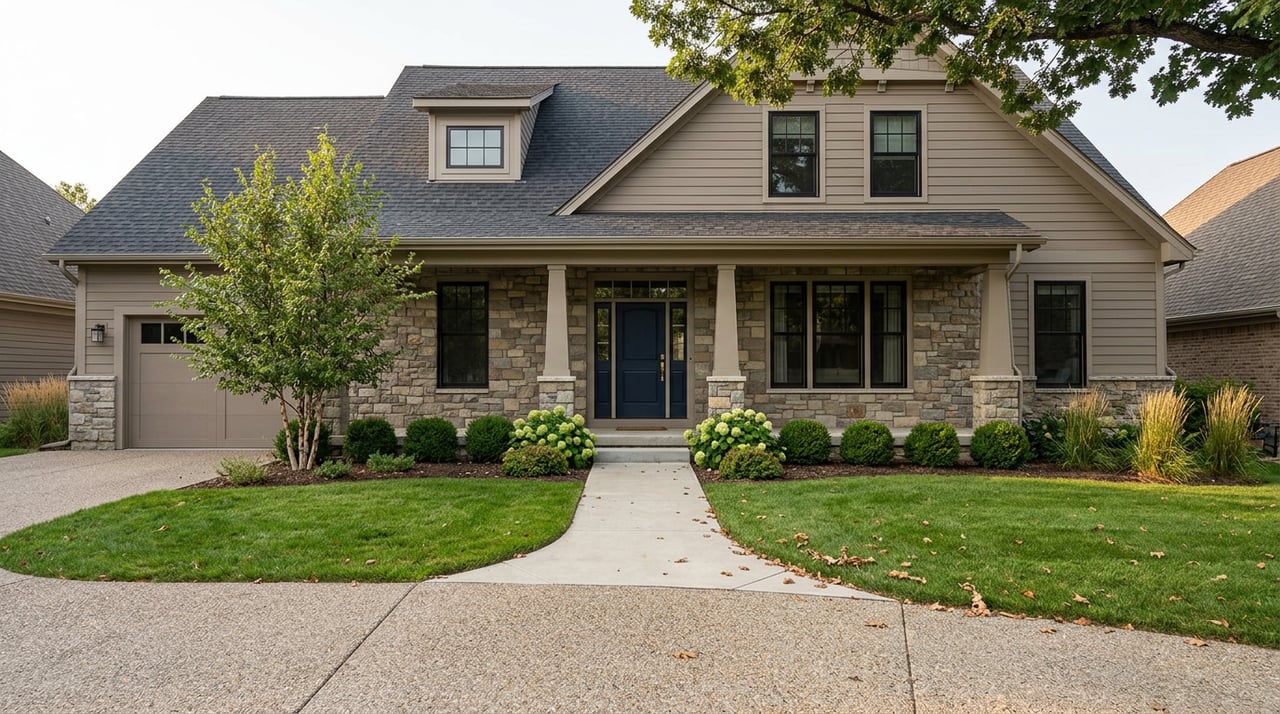
"The 40 percent increase in year one is what we could expect," a city staffer told the Indianola City Council this summer, describing what happens if the town scales back the tax break that's been drawing builders and buyers to its newest subdivisions for years.
That single sentence is worth more to a buyer comparing new construction in Summercrest against a resale home near the square than almost any price-per-square-foot figure on a listing sheet. Indianola's five-year residential tax abatement has shaped how new construction gets priced and marketed here for years. It is also, right now, a program the city itself is actively debating whether to keep, shrink, or scrap. If you're pricing a new build against an older home this year, you're not just comparing two houses. You're comparing two different tax trajectories, and one of them might not look the same in twelve months.
What the Builder's Payment Sheet Doesn't Show
Indianola's tax abatement applies to new construction and major rehabs where the added value is at least 10 percent of the prior assessment, and it runs on a fixed step-down:
- Year one: 100 percent of the added value is exempt from property tax
- Year two: 80 percent exempt
- Year three: 60 percent exempt
- Year four: 40 percent exempt
- Year five: 20 percent exempt
- Year six: fully taxed, no exemption remaining
This is the mechanism behind why a quick move-in home in Summercrest, D.R. Horton's development in Indianola, can carry a monthly payment that looks lighter than a comparable resale near downtown. A 5-bedroom, 3-bath home there recently listed at $344,990 for 1,606 finished square feet, part of a community where homes range from roughly 1,498 to 2,462 square feet of living space. Ashton Park, a newer subdivision on rolling ground with mature trees and balloon-viewing sightlines from the backyard, runs the same math. So does a ranch townhome built by Ground Breaker Homes next to Indianola Country Club, and the townhomes New Era Homes has been building elsewhere in town. All of it sits inside the same five-year clock.
The clock is the point. A payment that looks affordable in year one is not a permanent number. It's a starting number that climbs on a schedule the buyer rarely sees spelled out before closing.
The Half of the Bill That Was Never Abated
Here's the part that trips people up even inside year one. In 2024, Iowa amended the law so that school levies are no longer covered by tax abatement. Property owners in an abated home still pay the Indianola Community School District portion of their bill in full, and that levy makes up roughly half of the total tax roll.
So "100 percent abated" in year one does not mean a near-zero tax bill. It means 100 percent of the non-school portion is exempt, while the buyer is already paying close to half of what a fully taxed home would owe, from the very first year. The abatement is real, but it was never as generous as the marketing math implies, and it's gotten less generous since 2024 without most buyers noticing the change.
A Program the City Itself Isn't Sure About
This is the piece that makes the whole comparison time-sensitive rather than academic. Indianola's council has been wrestling with this program for more than a year. City staff recommended eliminating the residential abatement entirely. The council has repeatedly split on the question, with members Ron Dalby, Josh Rabe, and Bob Lane favoring keeping the existing structure, while Steve Armstrong, Mellisa Sones, former council member Christina Beach, and Tiffany Davis have voted to scrap it.
The council did approve a revised plan at its most recent meeting, but the newspaper covering that meeting reported the city may not be finished making changes, and state guidance on how to implement any new schedule was still pending. In other words, the five-year ladder described above is what's currently on the books. It is not guaranteed to be what's on the books when you're ready to sell, or what a buyer three doors down gets if they build after you.
That uncertainty matters for resale math, not just for your own bill. If the program shrinks or disappears for future construction, homes built under the current 100/80/60/40/20 schedule could become a known quantity in a way that newer construction isn't, which is either a selling point or a complication depending on which side of the timeline you're standing on when you list.
Why the Slowdown Makes This Louder Right Now
Indianola's resale market was already showing signs of slowing as of July 2026, with the median list price at $353,000, working out to $226 per square foot. That's the kind of market where sellers of older homes near the original town plat are competing against new construction that comes with a lighter first-year tax bill baked in, whether or not either side fully understands the mechanism.
A market that's cooling even slightly is exactly when a temporary tax discount does the most work in a builder's pitch. It's also exactly when a buyer should ask what that discount looks like in year four, not just year one.
The Real Comparison: Summercrest Versus the Square
Indianola's citywide median effective property tax rate is 1.68 percent, well above both the Iowa state median of 1.55 percent and the national median of 1.02 percent, with a median annual tax bill of $3,554. That's the number a resale buyer near the square is likely already paying, in full, today.
A new-construction buyer in Summercrest or Ashton Park at a similar price point starts below that number in year one, thanks to the abatement, but only on the non-school portion of the bill. Each year after, the exempt share shrinks by a fixed amount until year six, when the new-construction home is taxed on its full assessed value just like the resale home down the street, likely at a higher total bill given the higher purchase price most new construction commands.
The comparison buyers actually need isn't "what does this house cost me this year." It's "what does this house cost me in year six, and is the builder's advertised payment describing that number or describing year one." Ask for both when you're comparing a Summercrest quick move-in to a resale listing near downtown. The gap between those two numbers is the real cost of the decision.
A Few Straight Answers
Does the abatement transfer if I buy a newer-construction home from its first owner instead of building new? The exemption follows the property's assessment schedule, not the original buyer, so a resale of a home still inside its five-year window would carry over the remaining abated years to the new owner, based on the same value-added exemption.
What happens to my tax bill the year the abatement ends? Your bill moves to full taxation on the assessed value, with no phase-in cushion. The jump from year five to year six is the biggest single-year increase in the schedule, since 20 percent exemption drops straight to zero.
Is the current schedule guaranteed to still exist next year? No. The city council has been actively revising this program, and reporting on the most recent vote noted the process may not be finished. Anyone buying new construction with the current schedule in mind should confirm the terms in writing rather than assuming the program will look the same at closing as it did during the tour.
If you're weighing a Summercrest or Ashton Park build against a resale home closer to the square, the honest answer depends on your timeline, your risk tolerance for a program the city is still actively debating, and how the real year-six number compares to what you'd pay on an older home today. That's not a conversation a builder's payment sheet is built to have. Dan Rozga can walk through the actual numbers on a specific address with you, abatement schedule included, before you sign anything.