If you are thinking about moving within Des Moines or relocating to the metro, one question matters more than almost anything else: what will your everyday life actually feel like there? A neighborhood can look great on paper, but your daily routine is shaped by things like commute time, nearby errands, housing style, and how easy it is to get around. In Des Moines, those differences can be surprisingly meaningful, even with a citywide mean travel time to work of just 19.5 minutes, according to the U.S. Census Bureau. Let’s dive in.
Des Moines lifestyle starts local
Des Moines is not one single lifestyle packed into one central district. The city is organized into distinct neighborhood areas, and even downtown is divided into places like Historic East Village, Gray’s Lake Area, Sherman Hill, the Historic Court District, the Market District, and Western Gateway. You can explore that broader layout through the city’s official neighborhood map.
That local structure matters because your routine can change a lot from one part of the city to another. Some neighborhoods feel more walkable and mixed-use, while others are more residential and car-oriented. In practical terms, Des Moines often feels compact, but your neighborhood still shapes how you shop, commute, and spend free time.
Downtown living feels more urban
If you want a more urban routine, downtown Des Moines offers the clearest version of it. Daily life here often means living closer to restaurants, shops, recreation, and work hubs, with more options to walk, bike, or use transit for at least part of your day.
The downtown core also makes errands easier than many people expect. According to Downtown DSM, grocery and convenience options include Gateway Market, Fourth + Court Hy-Vee, East Village Pantry, and Graziano Brothers. That kind of access can make day-to-day living feel simpler if you prefer shorter trips and more nearby services.
East Village daily routine
Historic East Village sits east of the Des Moines River and stretches toward the Iowa Capitol. Downtown DSM describes it as walkable and full of character, with cafés, eateries, music venues, boutiques, book stores, galleries, and condos or apartments mixed in with retail.
For many buyers or relocators, that translates into a neighborhood where your routine may include grabbing coffee nearby, meeting friends without a long drive, and having entertainment options close to home. If you like a denser setting with a lot going on, East Village is one of the strongest examples in Des Moines.
Gray’s Lake daily routine
The Gray’s Lake Area offers another version of central living. Downtown DSM describes it as a neighborhood between downtown and Gray’s Lake, shaped by loft conversions, newer housing, trendy eateries, and access to trails and recreation.
This area may appeal to you if you want quick access to downtown but also want outdoor space to be part of your routine. Gray’s Lake and nearby Water Works recreation can make evenings and weekends feel more active, while the housing mix includes apartments, townhomes, and higher-end homes.
Getting around downtown
Downtown has some of the city’s most flexible transportation options. According to Downtown DSM, the area is easy to navigate by car, bike, bus, or on foot, with about four miles of connected skywalks, BCycle bike share, and roughly 30,000 public parking spaces.
Transit also plays a bigger role here than in many outer neighborhoods. DART operates 19 local routes, seven express routes, and the free LINK shuttle downtown on weekdays every 15 minutes from 5:30 a.m. to 6:30 p.m. If you want the most car-light lifestyle Des Moines offers, downtown is where that pattern shows up most clearly.
West-side neighborhoods blend character and convenience
West of downtown, daily life often shifts from fully urban to a mix of residential streets and active local corridors. This part of Des Moines is known for historic housing, established neighborhood identity, and easy access to local businesses.
If you want charm and convenience without being in the middle of the downtown core, this part of the city often stands out. Your day may still include quick access to restaurants, shops, and central employers, but with a more residential feel once you get home.
Sherman Hill feels historic and central
Sherman Hill is Des Moines’ oldest neighborhood and the city’s first local historical district. The neighborhood includes more than 150 homes and apartment buildings, with architecture that includes Victorian, Queen Anne, Italianate, Classic, Stick, and Flemish styles.
In day-to-day terms, Sherman Hill tends to feel historic, urban, and close to everything. Its location near downtown and the Ingersoll corridor gives residents convenient access to central amenities, while the neighborhood itself has a strong preservation identity.
Ingersoll and Grand stay active
The Avenues of Ingersoll & Grand shape a lot of daily life on the west side. The district stretches from 15th Street to 43rd Street and includes more than 200 businesses and seven neighborhood organizations, according to the West Side Chamber.
That means even if you do not live directly on the corridor, it may still become part of your routine for dining, errands, events, and services. The area is known for historic character, art, independent businesses, and a vibrant dining scene, giving it a strong local feel.
Ingersoll Park feels smaller and neighborly
Ingersoll Park is a more compact residential pocket within that broader area. The neighborhood association highlights community touchpoints like quarterly meetings, a Labor Day block party, a Holiday Walk, and the circle garden at Harwood Drive and 44th Street.
For you, that may feel more low-key and residential than the busier nearby commercial strip. It is a good example of how a smaller neighborhood pocket can have its own identity even when it sits close to a major corridor.
Beaverdale feels established
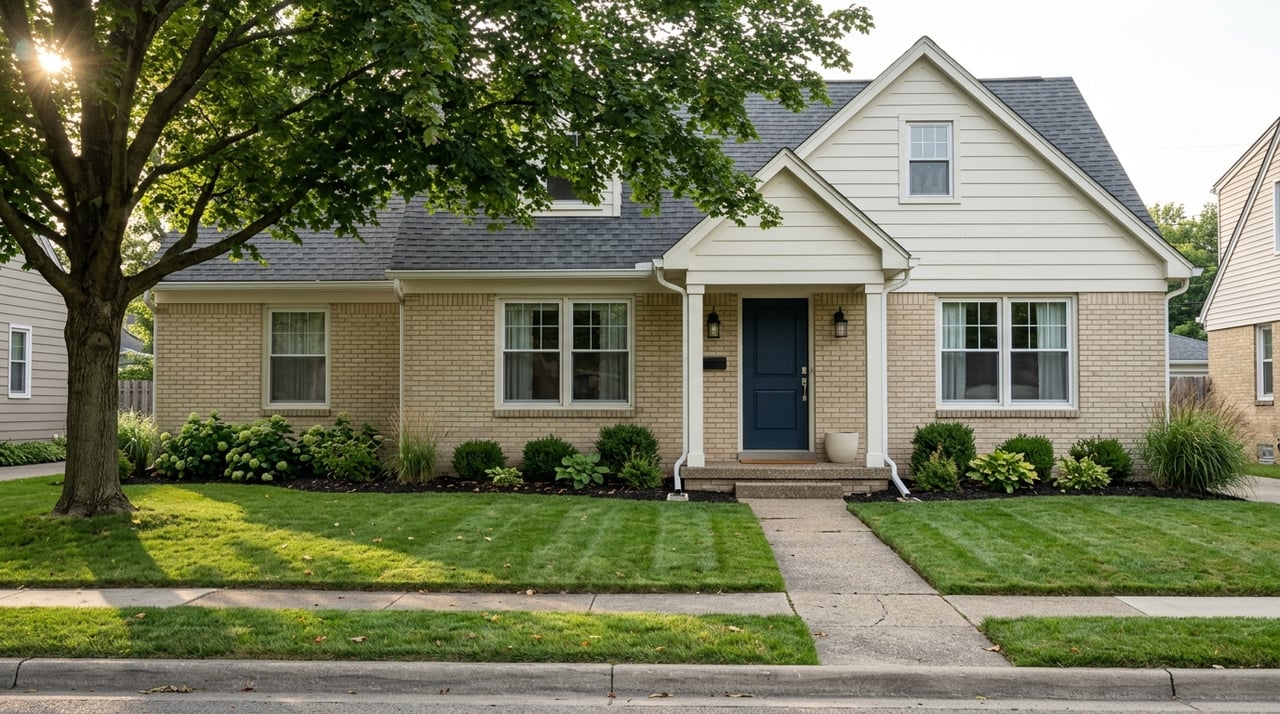
Beaverdale is one of Des Moines’ best-known residential neighborhoods. It is recognized for distinctive brick homes, tree-lined streets, traditional housing, and practical proximity to shopping, work, and parks.
The neighborhood association also notes nearby amenities like parks, a public library, and a community center. If your ideal routine includes established homes, mature streetscapes, and neighborhood institutions close by, Beaverdale often fits that picture well.
Drake offers a college-adjacent mix
The Drake neighborhood has one of the clearest college-adjacent identities in Des Moines. The neighborhood association describes it as large and diverse, with a high proportion of renter-occupied housing and a mix of historic homes that includes Queen Anne Victorians, American Foursquares, Craftsman bungalows, and Brick Tudors.
Daily life here often centers around Dogtown and Uptown, which serve as shopping and dining nodes. Biking is also common, and nearby parks and trail connections help shape movement through the neighborhood. If you want a lively area with older housing stock and a more mixed resident base, Drake has a distinct rhythm.
North and east sides feel more residential
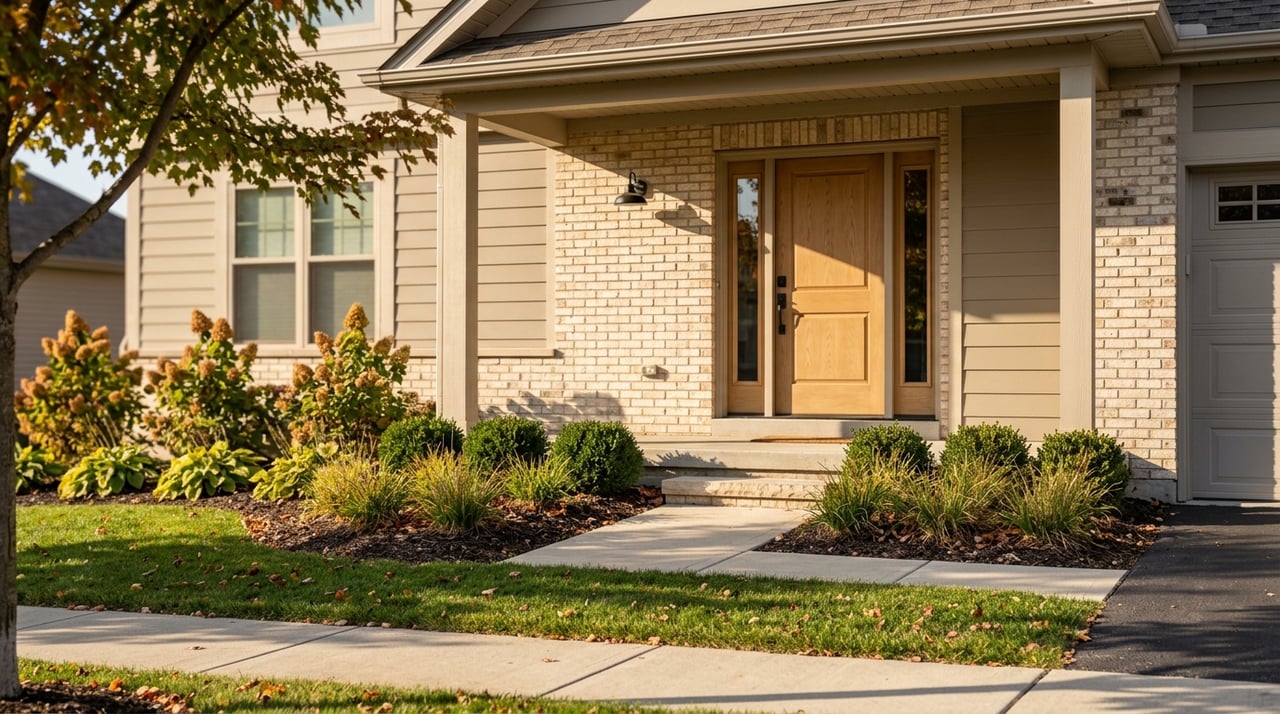
On the north and east sides, daily life often becomes quieter and more residential. These neighborhoods still offer community infrastructure and access to parks, services, and local business districts, but the overall feel is less urban than downtown.
If you value a neighborhood-based routine over a dense mixed-use environment, these areas may be worth a closer look. In many cases, driving remains part of everyday life, though some locations also offer access to transit, trails, and walkable destinations.
Union Park keeps a neighborhood pace
Union Park offers a more residential day-to-day rhythm. The neighborhood association describes it as a place with natural beauty, cultural destinations, medical facilities, and neighborhood shopping services that can be reached by walking, mass transit, bike trails, and city streets.
The area also includes about 2,200 single-family dwellings, which helps reinforce its residential identity. For many buyers, that may translate into a steadier routine anchored by neighborhood services rather than a major commercial corridor.
Highland Park is evolving
Highland Park combines a long-standing neighborhood identity with ongoing investment. Community materials emphasize the area’s historic significance and local connection, while redevelopment plans for the Commons at Highland Park point to added mixed-use space, housing, and street-level commercial uses around Euclid Avenue and 6th Avenue.
That suggests a neighborhood where daily life may continue to become more centered around a walkable business district. If you like older neighborhood character and want an area with visible momentum, Highland Park is one to watch.
Everyday errands shape the experience
No matter where you live, lifestyle often comes down to simple things: groceries, library access, parks, and how much planning it takes to get through a normal week. In Des Moines, those basics can vary by neighborhood, especially when you compare downtown districts with more residential areas.
The Des Moines Public Library system operates six physical locations, including Central, East Side, Forest Avenue, Franklin Avenue, North Side, and South Side. The city also supports neighborhood identity through programs like its flower program, which works with neighborhood groups to place annuals in rights-of-way, medians, corners, and parkways.
Those details may seem small, but they help explain why some areas feel more connected and community-driven in everyday life. In Des Moines, the neighborhood experience is not only about housing. It is also about the routines and local touchpoints that shape your week.
How to choose the right fit
A good neighborhood match starts with your real routine, not just a map. If you want more walkability, mixed-use blocks, and flexible transportation, downtown, East Village, Gray’s Lake, and Sherman Hill may feel like the best fit.
If you prefer historic residential areas with strong local business corridors, Beaverdale, Ingersoll, Ingersoll Park, and Drake may feel more natural. If your priority is a quieter residential setting with neighborhood infrastructure and community identity, Union Park and Highland Park may deserve a closer look.
The key is knowing what you want your weekday and weekend life to look like before you start comparing homes. If you want help narrowing down which Des Moines neighborhood fits your lifestyle, Dan Rozga can help you sort through the options with straightforward guidance and local perspective.
FAQs
What is daily life like in downtown Des Moines neighborhoods?
- Downtown Des Moines neighborhoods like East Village and Gray’s Lake tend to offer a more urban routine, with nearby groceries, restaurants, recreation, transit options, and easier access to walking or biking for some daily trips.
What is daily life like in Beaverdale Des Moines?
- Beaverdale tends to feel more established and residential, with distinctive brick homes, tree-lined streets, and access to parks, shopping, a library, and a community center.
What is daily life like in Sherman Hill Des Moines?
- Sherman Hill generally feels historic and central, with preserved architecture, a strong neighborhood identity, and convenient access to downtown and the Ingersoll corridor.
What is daily life like in Drake neighborhood Des Moines?
- The Drake neighborhood has a college-adjacent feel, with a mix of renters and homeowners, historic housing, nearby shopping and dining nodes, and biking connections.
What is daily life like in Union Park and Highland Park Des Moines?
- Union Park and Highland Park tend to feel more residential than downtown, with neighborhood-based routines, community identity, and access to parks, services, and evolving local business areas.
How do people get around in Des Moines neighborhoods?
- Many residents drive, but downtown offers the most flexible mix of transportation through walking, biking, DART bus service, the free LINK shuttle, parking infrastructure, and the skywalk system.