Buying your first home is a big step, and choosing the right city can feel just as important as choosing the right house. If you are weighing Norwalk, you are probably asking a practical question: will your money, lifestyle, and long-term plans line up here? This guide will help you look at Norwalk through a first-time buyer lens, from price points and home types to commute and everyday living. Let’s dive in.
Why Norwalk draws first-time buyers
Norwalk stands out because it offers suburban access to the Des Moines metro while keeping a distinct community feel. The city sits directly south of Des Moines and is easily reached by State Highway 28, US Highway 65, and County Road G14, according to city planning materials.
It is also a fast-growing place. The Census Bureau estimated Norwalk’s population at 15,396 in July 2024, which was up 20.3% from 2020. That kind of growth often signals strong buyer interest, new development, and a community that more people want to call home.
For many first-time buyers, Norwalk also feels stable because it is heavily owner-occupied. The owner-occupied housing rate was 82.5% in the 2020 to 2024 American Community Survey, which helps explain why many buyers see it as a place to put down roots.
What homes cost in Norwalk
If your top goal is finding the absolute cheapest way into homeownership, Norwalk may not be your first stop. Redfin reported a median sale price of $334,700 in May 2026, while Zillow’s home value index was $336,271 at the end of that same month.
That puts Norwalk above some nearby options, but not at the top of the area price range. Redfin’s May 2026 median sale prices showed Des Moines at $216,870, Indianola at $299,321, West Des Moines at $327,554, Norwalk at $334,700, and Ankeny at $339,742.
In plain terms, Norwalk sits in the upper-middle of the local market. It can make sense if you want a suburban setting and can shop closer to the upper-$200,000s or low-$300,000s. It may be tougher if your budget is very tight.
Entry-level options are limited
The biggest challenge for many first-time buyers is the lower end of the market. Redfin showed only four homes under $200,000 in Norwalk at the time of the research, and those were mostly 2-bedroom townhomes or condo-style homes with HOA fees.
That matters because your monthly payment is not just about the mortgage. If you are buying attached housing, you may also need to factor in HOA costs alongside taxes, insurance, and your down payment.
The picture improves once you move up in budget. Redfin’s under-$300,000 search returned 62 homes, which suggests buyers have more choices once they can stretch into the mid-$200,000s.
What kinds of first homes you may find
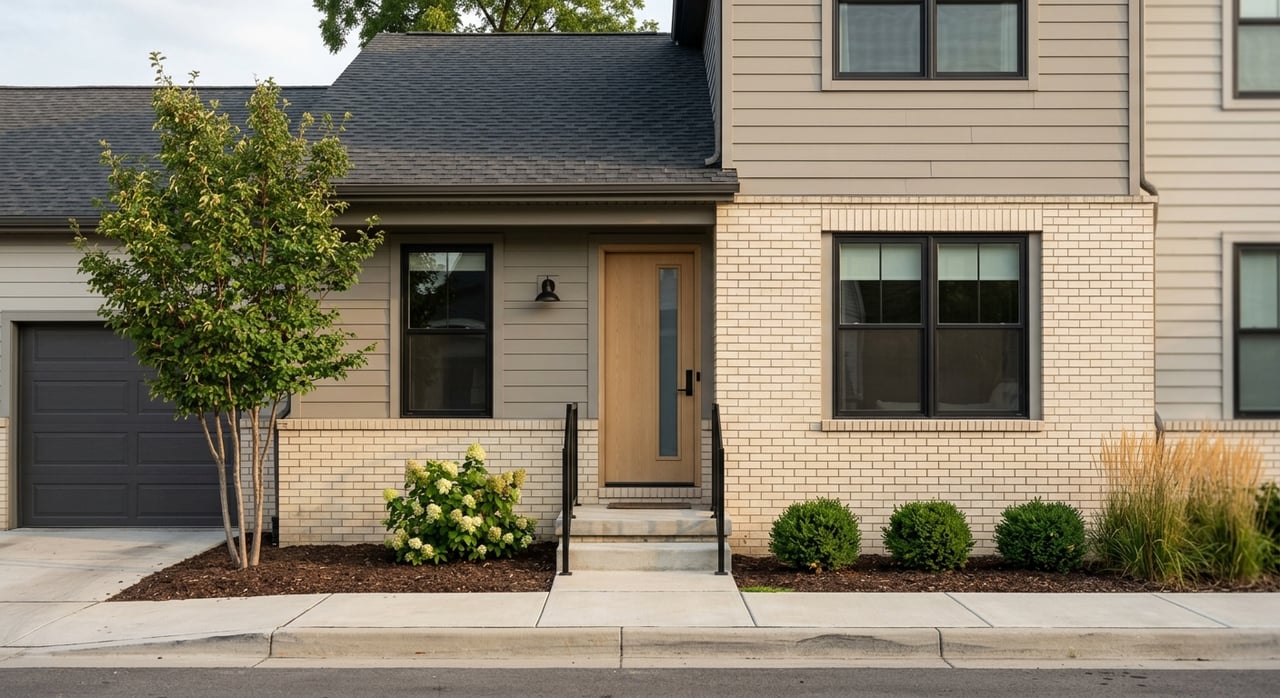
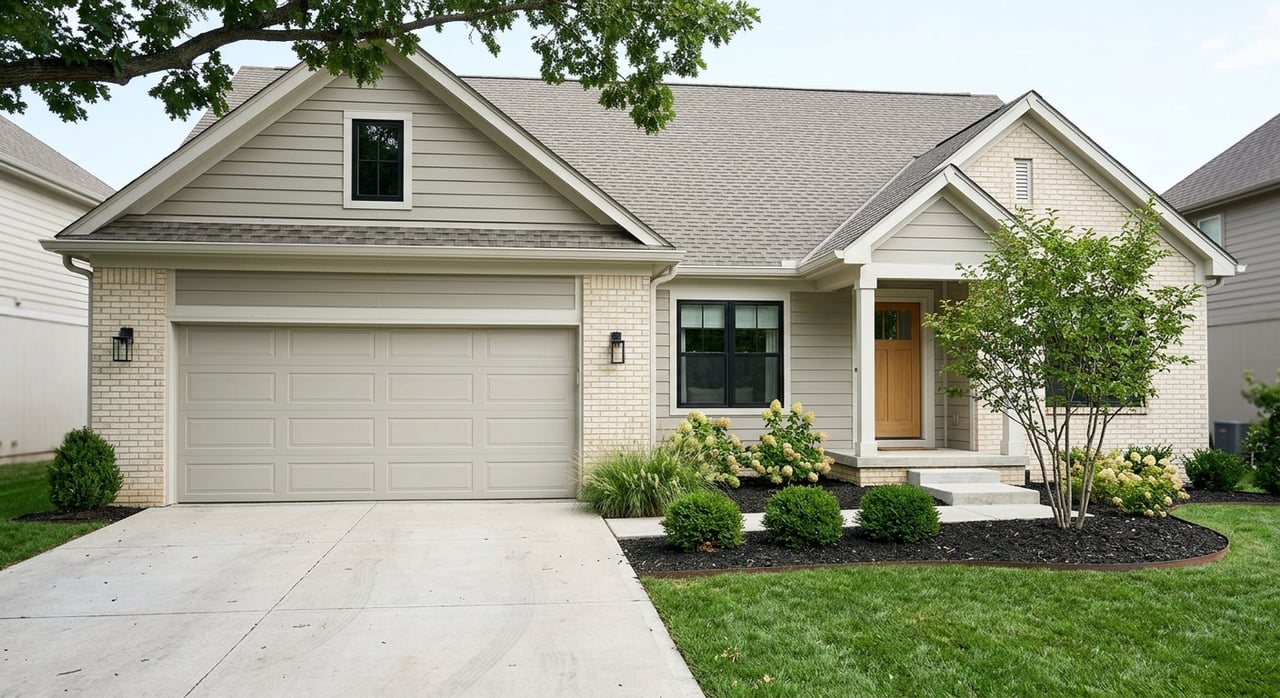
Norwalk offers more variety than you might expect, especially if you are open to different property types. The city’s neighborhood guide shows a mix of single-family homes, townhomes, duplexes, apartments, and some older housing stock depending on the area.
In Orchard Hills, you are more likely to find mostly single-family homes along with some townhomes and duplexes. Holland Pointe includes single-family homes, townhomes, and apartments, while Hughes Century Crossing offers smaller-lot single-family homes and townhomes.
Founder’s District includes some of Norwalk’s oldest homes, which may appeal to buyers looking for established housing stock. The Legacy is a larger golf-course community with more than 900 residences and a range of budgets.
Flexibility helps in this market
If you are set on a detached house only, your search may feel tighter. If you are open to a townhome, smaller-lot home, or an attached option with HOA dues, Norwalk becomes more realistic for a first purchase.
That flexibility can make a big difference, especially when inventory in the lowest price ranges is thin. For many buyers, the smart move is to compare monthly cost, maintenance needs, and future resale potential across several property types rather than focusing on one format only.
Commute and daily convenience
One of Norwalk’s biggest strengths is location. The city’s planning materials describe it as directly south of Des Moines with strong road connections, and Census data shows a mean travel time to work of 21.6 minutes.
For buyers working in the metro, that can be a major quality-of-life benefit. You may be able to keep easier access to Des Moines while living in a suburb that feels a little more removed from the busiest parts of the metro.
HIRTA also serves the community, giving some households a public transit option. The Norwalk Easter Public Library notes that HIRTA launched in Norwalk in March 2022 and rides can be booked up to 14 days ahead.
Everyday amenities matter too
Your first home decision is not just about the house. It is also about what your week actually looks like after move-in.
According to the city, Norwalk manages 75 acres of parkland and offers amenities like fishing, basketball, baseball, softball, soccer, disc golf, skateboarding, playgrounds, and Iowa’s first challenge course. Parks and Recreation also lists the City State Bank Norwalk Fieldhouse, Norwalk Aquatic Center, outdoor ice rink, McAninch Sports Complex, and recreation programs.
The Norwalk Easter Public Library adds another practical layer for residents. The library offers ebooks, audiobooks, WiFi, meeting rooms, study rooms, and attraction passes to places like Blank Park Zoo and the Science Center of Iowa.
Is Norwalk competitive for buyers?
Norwalk is competitive, but it is not the hottest market in the metro. Redfin gave Norwalk a compete score of 38, compared with 65 for Des Moines and 59 for West Des Moines.
That means homes can still get multiple offers, but the pace may be more manageable than in some nearby cities. Zillow also reported a median of 27 days to pending and a median sale-to-list ratio of 0.989, which suggests a market where buyers still need to be ready, but not necessarily rushed at every turn.
For first-time buyers, that balance can be helpful. You still need a plan, but you may have a little more breathing room than in faster-moving parts of the metro.
When Norwalk is a smart first-home choice
Norwalk can be a smart place for your first home if you are looking for a suburban base with access to Des Moines, a homeowner-heavy environment, and enough housing variety to fit more than one stage of life. It also helps if you value parks, recreation, and practical community amenities.
It may be an especially good fit if your budget reaches into the upper-$200,000s or low-$300,000s. That is where the market opens up more, and where you may have a better shot at finding something that fits both your monthly budget and your long-term goals.
Buyers who are open to townhomes, duplex-style housing, or smaller-lot single-family homes may find the best entry points. Buyers who want to stay close to metro jobs without living in the urban core may also see clear value here.
When Norwalk may not be the best fit
Norwalk may be less compelling if your main goal is the lowest possible purchase price. Based on the local price comparisons in the research, Des Moines and Indianola usually offer more room on price.
It may also be a weaker fit if your budget is strictly under $200,000. That part of the market is very limited in Norwalk, and the homes that do show up are often attached properties with HOA fees.
If you want a dense, highly walkable urban setting, Norwalk may not match what you are after. Its appeal is more about suburban access, community amenities, and a practical metro commute.
A simple way to decide
If you are trying to decide whether Norwalk is smart for your first home, start with your real monthly comfort zone, not just your max approval amount. Then compare what that budget buys you in Norwalk versus nearby cities.
As you do that, pay close attention to the tradeoffs. A higher purchase price in Norwalk may buy you a location and lifestyle you prefer, while a lower price elsewhere may give you more space or a lower monthly payment.
The smartest answer is not the same for every buyer. It depends on how you balance budget, commute, home type, and the kind of daily routine you want after closing.
If you want help comparing Norwalk with other central Iowa options, Dan Rozga can help you sort through the numbers, the neighborhoods, and the tradeoffs so you can make a confident first move.
FAQs
Is Norwalk, Iowa affordable for first-time home buyers?
- Norwalk can work for first-time buyers, but it is not the lowest-cost option in the Des Moines area. The May 2026 median sale price was $334,700, and the entry-level market under $200,000 was limited.
What kind of starter homes are available in Norwalk?
- First-time buyers in Norwalk are likely to see a mix of single-family homes, townhomes, duplexes, and some older homes, depending on the neighborhood. Attached homes are more common in the lower price ranges.
How competitive is the Norwalk housing market?
- Norwalk is somewhat competitive, with a Redfin compete score of 38. Homes can receive multiple offers, but the market appears less intense than Des Moines or West Des Moines.
Is Norwalk a good place for commuting to Des Moines?
- Norwalk offers strong access to Des Moines through State Highway 28, US Highway 65, and County Road G14. Census data showed a mean travel time to work of 21.6 minutes.
What should first-time buyers watch for in Norwalk?
- Pay close attention to inventory at your budget level, especially if you want to stay under $200,000. You should also compare HOA fees, taxes, insurance, and total monthly cost when looking at townhomes or condo-style homes.